JJ Group specialises in carpentry that is designed with long term performance and property value in mind. Our team uses high quality timber, precise workmanship, and a methodical approach that respects the age and character of your home.
Looking After Your Home In Winter

Looking after your home in winter is an important part of responsible property care, especially in Sussex where winter brings long periods of rain, reduced daylight, and slower drying conditions. These seasonal changes can affect everything from exterior doors and cladding to fitted wardrobes, timber flooring, tailormade cabinetry, and windows. Many issues begin quietly and only become obvious once damage has progressed, so early checks are key.
Review Exterior Timber Doors For Moisture Damage
Exterior doors take the brunt of winter weather. Heavy rainfall, low temperatures, and wind-driven moisture place pressure on the timber and the surrounding frame. Over time, this can cause swelling, stiff hinges, strained locks, and gaps around the perimeter.
Start by checking the bottom of the door, as this area absorbs the highest levels of moisture. Look for soft patches, small splits, or slight misalignment with the frame. If the door begins to catch on the floor or weatherstrip, this is usually a sign that the timber is reacting to damp conditions. Pay close attention to glazed doors too, as the junction between the timber and the glass can allow water to sit unnoticed.
Oil the hinges and check the screws are tight. If you notice early signs of movement, a small adjustment now will prevent more complicated repairs later. Caring for exterior doors is an essential part of looking after your home in winter, especially for older properties or those in exposed coastal areas.
Check Gutters To Protect Cladding
A blocked gutter can cause wide-ranging damage during winter. When water overflows, it does not fall cleanly away from the house. It often runs down cladding, door frames, window surrounds, and decorative trims, soaking timber sections that are not designed to hold that level of moisture.
Clearing gutters before freezing temperatures set in helps prevent this. Look for leaf build up, compacted moss, and joints that may have opened slightly. Once the gutters are clear, pour water down the downpipes to make sure they are not blocked further down. Downpipes often collect debris where sections join, and this can force water back towards the property.
If you have timber cladding, review any areas where it meets the guttering or roofline. Staining, lifting joints, or discoloured patches can indicate repeated winter overflow. Early recognition of these signs is vital when looking after your home in winter because cladding issues can worsen quickly if water continues to travel behind the boards.
Inspect Bespoke Cabinetry In Colder Or Less Ventilated Rooms

Fitted furniture in bedrooms, loft conversions, kitchens, and utility rooms can behave differently during winter. When heating is inconsistent or ventilation is limited, moisture levels rise. This can cause doors to expand, drawer runners to work harder, and joints to open slightly.
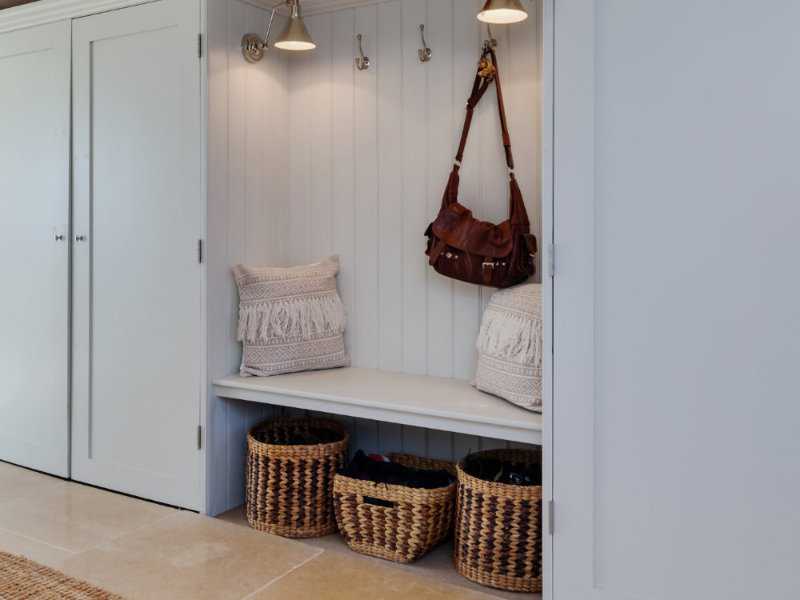
Check wardrobes, alcove units, dressing room cabinetry, and any bespoke storage that sits against external walls. If a door begins to sit slightly proud, or if drawers feel tight, the timber may be adjusting to the seasonal change. Look for tiny gaps along mitres or face frames, as these small shifts indicate that the material is responding to humidity.
These changes are usually simple to correct when identified early. Small adjustments to hinges or runners can prevent larger problems. Reviewing fitted furniture is often overlooked, but it forms an important part of looking after your home in winter, especially in rooms that are used less frequently.
Assess The Condition Of Timber Floors & Skirting
During winter, floors near entrances are exposed to more moisture from wet shoes, pet movement, and condensation around door thresholds. This can cause the timber to darken or swell if water is allowed to settle regularly.
Look for small signs such as lifting grain, slight cupping, or boards that feel raised around the edges. These early indicators help you address problems before they spread. Review skirting boards too, as they often absorb moisture from wet floors and can begin to soften along the bottom edge.
Place mats at external doors, wipe up damp patches promptly, and keep an eye on areas where flooring transitions from tile to timber. These steps go a long way in looking after your home in winter by reducing the long term strain placed on wooden flooring.
Review Window Frames
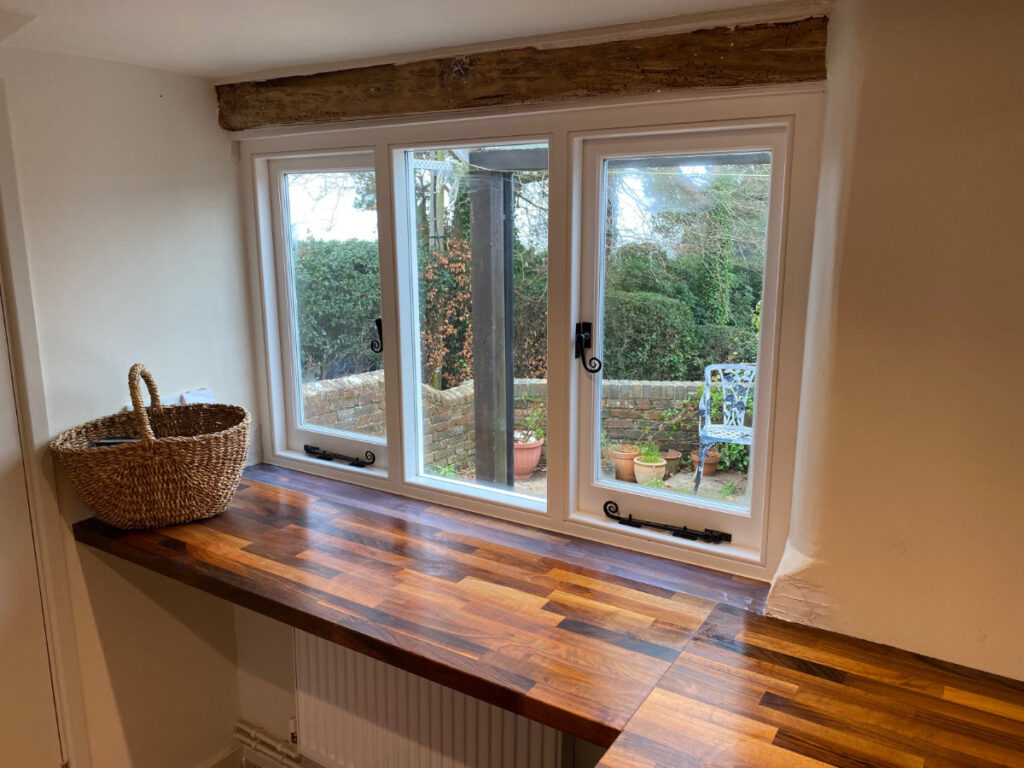
Timber windows can experience significant stress during winter. Constant moisture, temperature changes, and limited air movement can cause early deterioration if small defects are left unresolved.
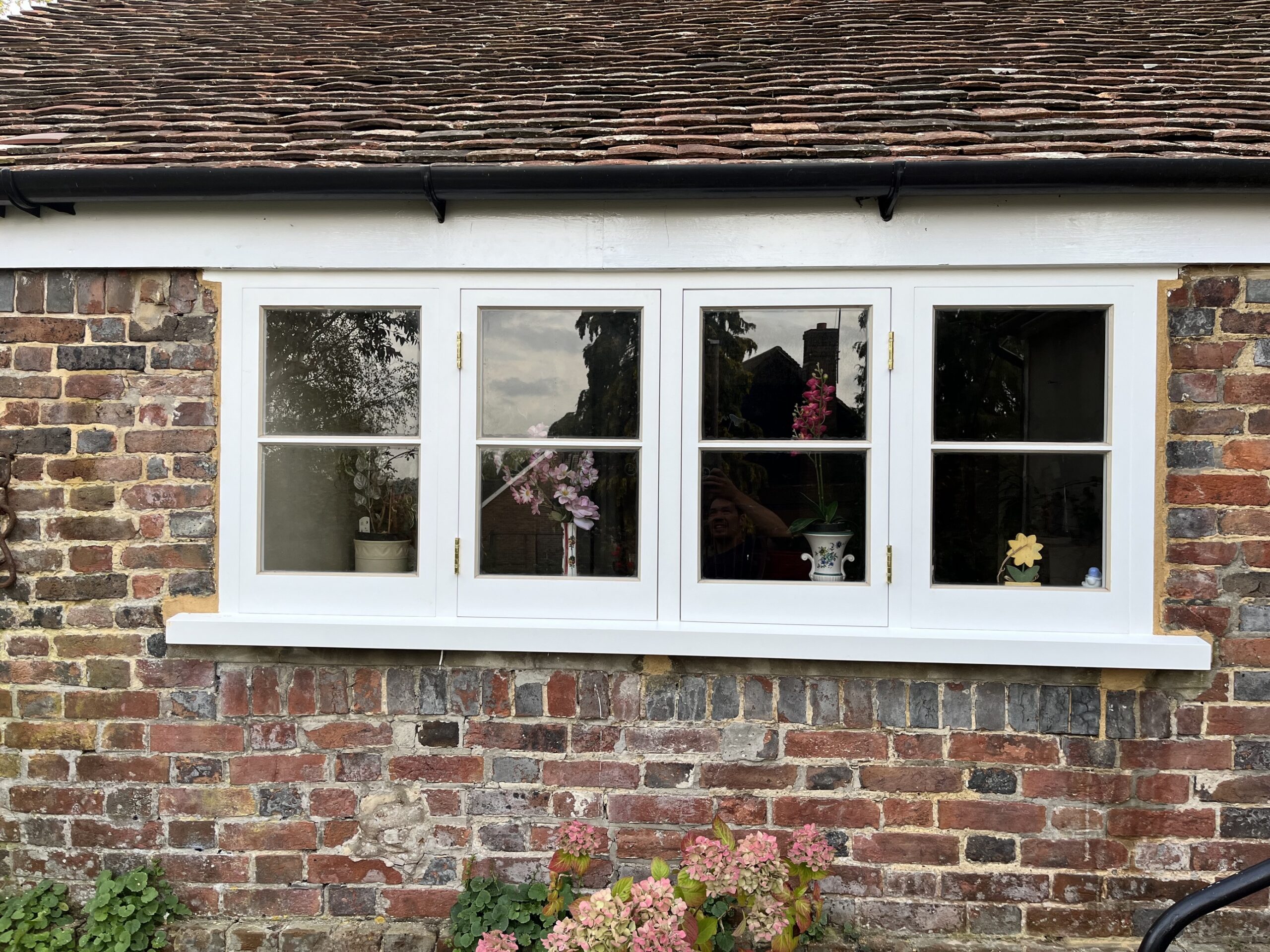
Begin by checking the exterior for flaking paint, worn patches, or fine gaps where water may enter. Inside, look for condensation that sits on the sills for long periods, as this can lead to softness in the timber. Examine glazing putty or sealant, as cracked lines often let moisture slip behind the glass.
Make sure rooms are ventilated well. A simple increase in airflow reduces the time moisture stays on the timber, which helps prevent rot. This step is one of the most important parts of looking after your home in winter, especially for timber windows that are more than a few years old.
The JJ Group Can Help You
If you would like a trained specialist to review your timber windows, doors, fitted furniture, flooring, or external cladding, Alan from JJ Group can carry out a full winter inspection and consultation. He will identify areas that need repair, explain how to protect each feature through the season, and provide clear recommendations for any work required.
Ready to arrange your winter visit? Contact JJ Group today to book an assessment and receive expert guidance on looking after your home in winter.
Related Posts